If you've been pricing out storage sheds lately, you've probably had the same reaction most homeowners do: sticker shock. A basic prebuilt shed from a big box store or shed company can easily run $3,000 to $5,000 — and that's before delivery, site prep, or any customization.
The good news? Building a shed yourself costs a fraction of that. In this post, we'll break down exactly what you can expect to spend on materials for a couple of common shed sizes, compare that to buying prebuilt, and talk about what actually goes into the cost so you're not caught off guard halfway through the project.
The Short Answer
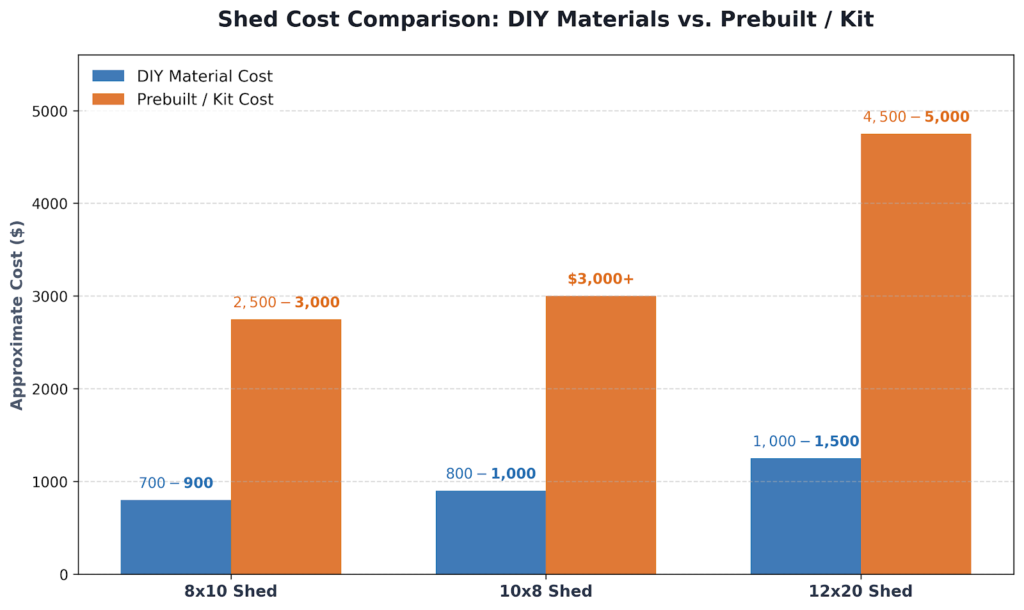
For a small-to-mid-size storage shed, most DIY builders spend somewhere between **$900 and $1,500** in materials — depending on size, roof style, and the quality of lumber and siding you choose. Compare that to a prebuilt shed of the same size, which typically runs $3,000 to $5,000, and you're looking at savings of 60-75%.
Here's how that breaks down by size:

These numbers will shift depending on your region, current lumber prices, and how "loaded" you go on finishes — but as a rule of thumb, building it yourself puts real money back in your pocket.
What Actually Drives the Cost
If you want to keep your shed build on budget, it helps to know where the money actually goes. Roughly speaking, a shed build breaks down into:
Framing lumber - (floor, walls, roof trusses) — usually the single biggest line item
Siding - T1-11, board and batten, or vinyl, depending on the look you want
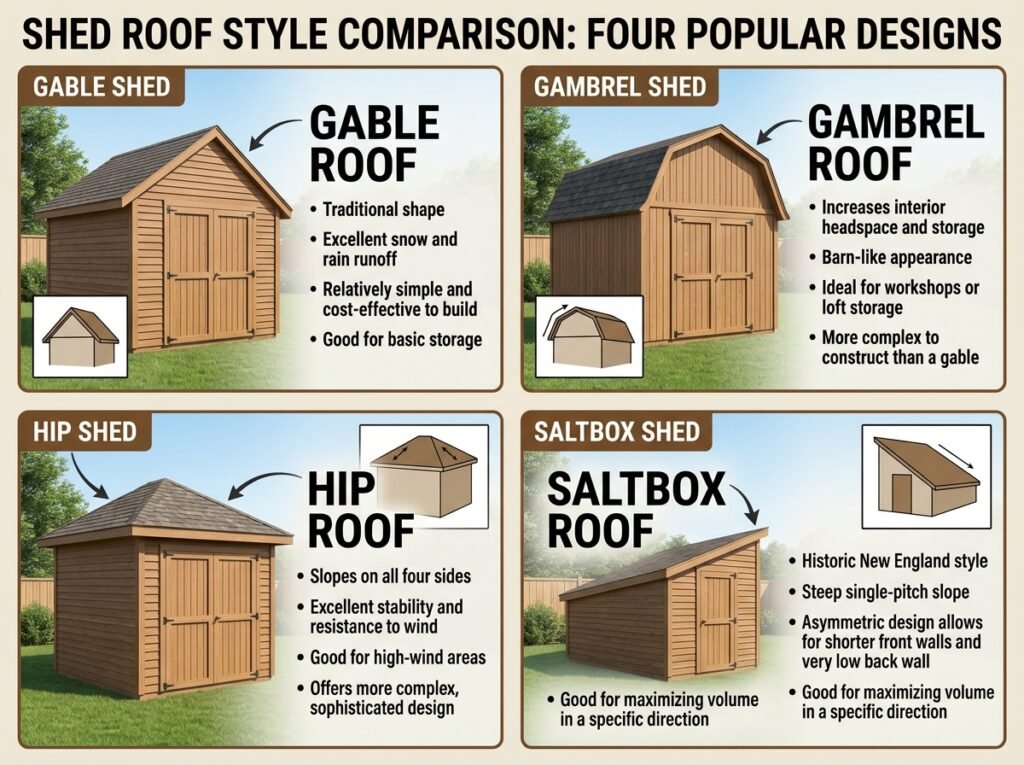
Roofing - shingles, metal panels, or felt, plus the roof style you choose
Foundation materials - skids, concrete blocks, or a gravel pad
Hardware and fasteners - screws, joist hangers, hinges, and flashing add up faster than people expect
Doors and windows - optional, but they change both the cost and the look significantly
The biggest cost swings usually come from roof style and siding choice, not the overall footprint of the shed. A 10x12 shed with a simple gable roof and basic siding can cost noticeably less than a smaller shed with a more elaborate roofline and premium siding.
Why DIY Builders Often Overspend (and How to Avoid It)
Here's the part most cost breakdowns skip: the number above only holds up if you buy *exactly* what you need. A lot of first-time shed builders end up spending more than they should — not because materials are expensive, but because of poor planning:
- Buying lumber in the wrong lengths and paying for cuts (or waste) later
- Making 2-3 extra trips to the hardware store because a plan didn't spell out quantities
- Over-buying "just in case," then having leftover material sitting in the yard
- Guessing at measurements and having to re-buy pieces that didn't fit
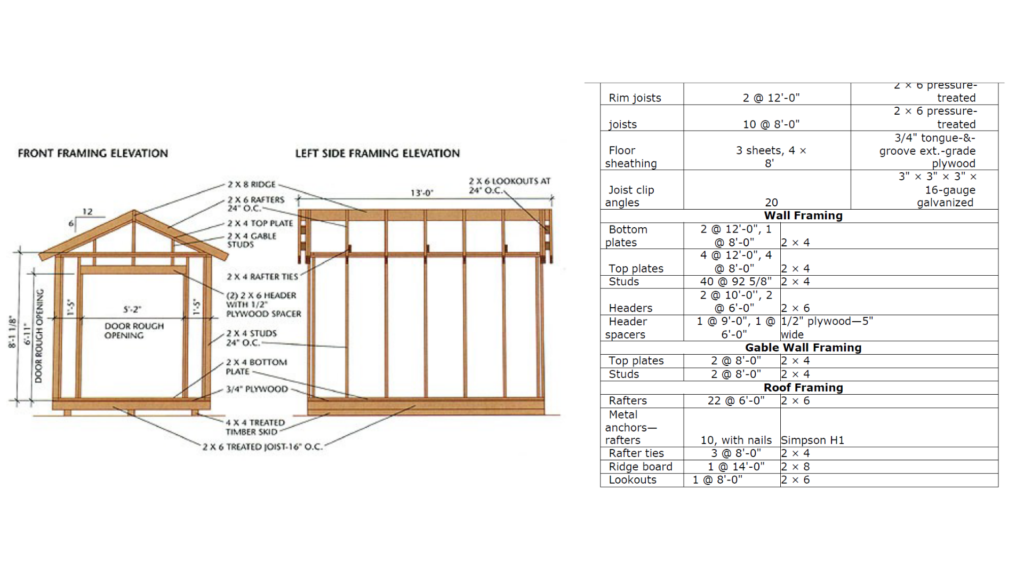
This is really a planning problem, not a materials problem. A shed plan with a **precise, itemized cutting list** — one that tells you exactly how many of each board you need and what it's used for — is what keeps your actual spend close to the estimate instead of ballooning past it.
DIY vs. Prebuilt: The Real Trade-Off
Cost isn't the only factor, so it's worth being honest about the trade-offs:
**Prebuilt/kit sheds** save you time and labor, but you're paying a significant premium for that convenience — often 3-4x what the materials themselves cost.
**DIY sheds** take a weekend to a few days depending on your experience level, but the savings are substantial, and you end up with a shed built to your exact specs rather than a generic model.
If you've got a weekend free and are reasonably comfortable with basic tools, DIY is usually the better financial move — especially if you're working from a plan detailed enough that you're not guessing your way through it.
Where to Start
If you're leaning toward building your own, the single biggest factor in staying on budget (and keeping your sanity) is starting with a plan that has a complete, exact materials and cutting list — not a rough sketch that leaves you filling in the blanks.
That's actually the main thing I look for when comparing shed plans. Ryan's Shed Plans is one I've dug into — it includes over 12,000 designs with itemized materials lists and cutting lists for each one, which is exactly the kind of detail that keeps your actual costs in line with your estimate. Worth a look if you want to skip the guesswork on your first build.
Either way — measure twice, buy once, and you'll come in well under what a prebuilt shed would cost you.